Introduction
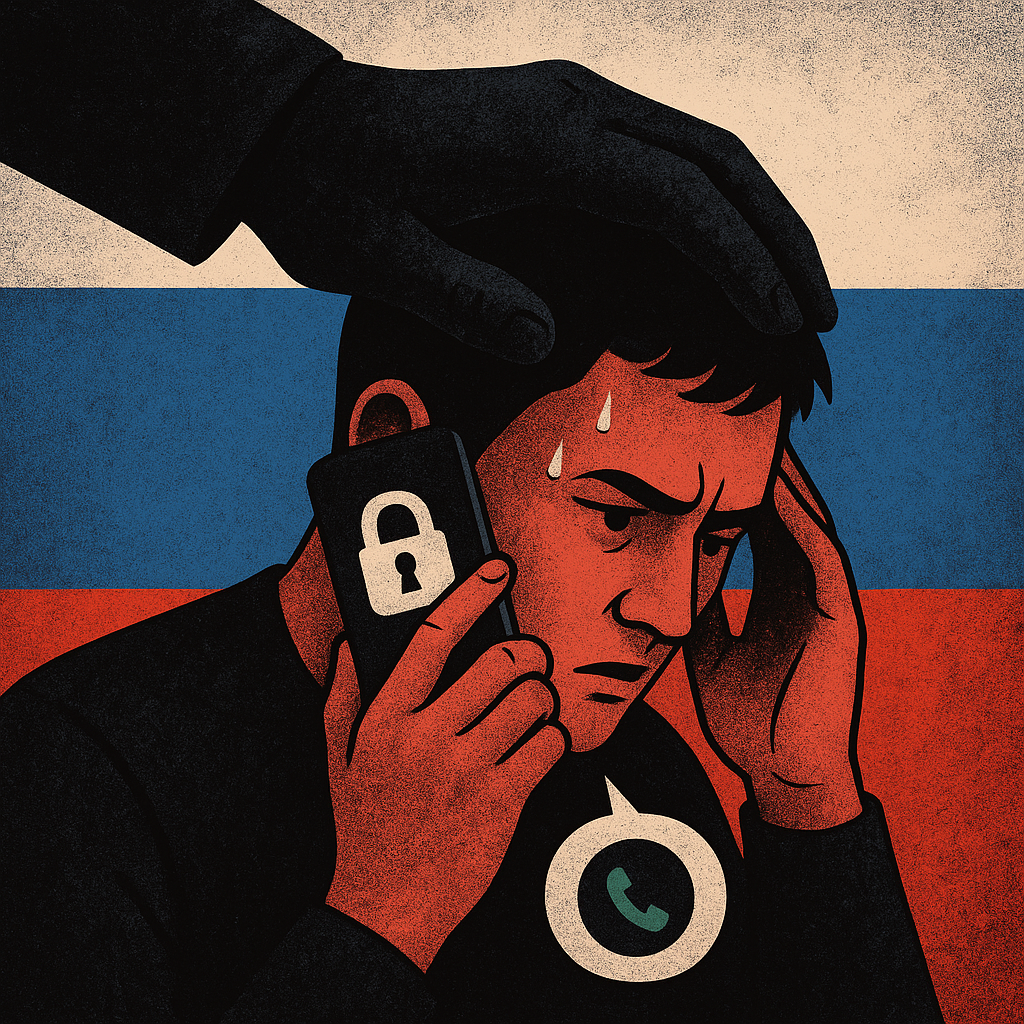
Reports out of Russia point to a fresh campaign aimed at limiting or blocking end-to-end encrypted voice and video calling. That phrase can sound abstract until you realize what it means in practice. When calls are truly end-to-end encrypted, only the people on the line can hear what is said. Intermediaries, network providers, and platforms should not be able to decrypt the audio. For citizens, journalists, and businesses, private calls are not just a convenience.
They are a safety requirement. This week’s developments fit a broader pattern. Around the world, authorities have tried to weaken or route around strong encryption by targeting the features that make it useful.
What A Crackdown On Encrypted Calls Usually Looks Like
Authorities rarely announce that they are outlawing encryption in plain terms. Instead, they undermine the plumbing that encrypted calling needs to work reliably. The playbook tends to include one or more of the following moves:
Network-level throttling and blocking
Real-time calls rely on a web technology called WebRTC or on similar VoIP stacks. These use a mix of protocols and services: STUN and TURN servers to traverse firewalls, UDP traffic for low-latency audio, and fallback to TCP when necessary. If a provider blocks or throttles UDP broadly, calls become choppy or fail outright. If it blocks common STUN or TURN endpoints or fingerprints and drops WebRTC traffic, success rates plummet. None of this breaks messaging. It selectively frustrates calling.
App store and platform pressure
If an app will not build an interception backdoor, the next pressure point is distribution. Regulators can push app stores to remove certain versions or features within a country, or they can pressure domestic app marketplaces and device vendors to sideload “compliant” variants. Users still see the brand, but the critical calling features are degraded or gone.
Legal burdens placed on services and users
Authorities can require platforms to register locally, retain identifiers like phone numbers, or link accounts to government-verified IDs. They can force gateways to keep metadata: who called whom, for how long, and from which IP range. Even without reading the content of a call, metadata can be enough to map a network of contacts.
Strategic ambiguity
A potent tactic is simply to create uncertainty. If people cannot tell whether encrypted calls are legal or whether using a VPN will put them on a list, many will self-censor. Ambiguity costs nothing and yields real results.
How Encrypted Calling Works: And Why It Is Targeted
Understanding the technology makes the tactics easier to spot. Modern encrypted calling uses a combination of protocols to set up a session and then carry audio and video securely.
Call setup and key exchange
Two devices agree on how to talk using signaling. In many apps, this uses a control channel protected by robust message encryption. Keys are exchanged using well-studied cryptographic handshakes so that only the two devices can derive the session keys. The platform does not keep a copy of those keys.
Media transport
Once the call starts, audio and video travel using SRTP: secure real-time transport protocol. Keys established during the handshake protect every packet. For reliability, the stack uses ICE: Interactive Connectivity Establishment. ICE coordinates STUN or TURN services to punch through NATs and firewalls. UDP is preferred because it keeps latency low.
Why it is hard to intercept cleanly
Because keys live only on the devices, interceptors cannot simply copy traffic and decrypt it later. They need to either compromise an endpoint, coerce the app to weaken its design, or prevent the call from working. That last option is what many crackdowns do. It is easier to break the road than to read each letter in the mail.
The Real-World Impact For People And Companies
For ordinary users, the difference between a stable call and a dropped one is not theoretical. It is whether you can reach family, secure a medical consultation, or get a story fact-checked without risking exposure. For businesses, unstable encrypted calling creates real costs: delayed decisions, forced migration to less secure tools, and a chilling effect on cross-border collaboration.
There is also a well-known spillover effect. When one large country degrades a feature, platforms sometimes ship alternative builds or change defaults globally to avoid fragmentation. That can water down protections for everyone. Meanwhile, cybercriminals watch the same network signals. If calling reliability is already fragile, attackers can piggyback with denial-of-service floods or phishing that lures users onto “temporary” calling tools with weaker security.
A Practical Safety Playbook You Can Use Today
Security advice should be concrete. Here is what tends to work when encrypted calling is being squeezed.
Keep two independent calling paths
Use two unrelated apps that offer end-to-end encrypted calling. If one struggles on your network, you can fall back to the other without switching to unprotected voice. Diversity of vendors and protocols increases resilience.
Verify safety numbers or security codes with close contacts
Most private calling apps expose a safety number or code that binds your identity to the cryptographic keys. Verify that out of band with key contacts. It prevents a silent attack in which an intermediary inserts itself into the call setup.
Check your app’s fallback behavior
Some tools quietly degrade to unencrypted calling if they cannot establish an encrypted media path. Look in settings and disable insecure fallbacks. If the app cannot call privately, it should fail loudly so you do not assume protection that is not there.
Use reputable VPN services wisely
A VPN can route you around coarse network blocks, especially those aimed at UDP. That said, do not rely on a VPN as a cure-all. Poorly configured services add latency and can break call quality. Choose providers with a track record of uptime and avoid free products that monetize your traffic.
Keep devices and apps current
Vendors ship fixes for call setup, protocol compatibility, and censorship resistance in routine updates. Delaying those updates leaves you with brittle behavior that is easier to disrupt.
The Bigger Pattern: Five Other Security Stories You Should Not Miss
The same forces that pressure encrypted calling showed up across several other stories this week. Here is what matters and what you can do.
Data brokers hiding opt-out and deletion pages
Investigators found that dozens of people-data brokers buried their opt-out or deletion portals from search engines, making it harder for you to exercise basic privacy rights. The tactic is simple: if you cannot find the form, you cannot use it.
What to do: Search directly on a broker’s site for terms like “privacy choices,” “opt out,” “do not sell,” or “data deletion.” Many brokers are required to offer a path, even if they make it inconvenient. Consider using an identity-protection service or a nonprofit guide that compiles direct links to removal pages. Keep a record of submissions, because you may need to repeat them periodically.
New details on the breach of the US Courts records system
Fresh reporting indicates that Russia was likely involved in, or responsible for, an intrusion into the United States Courts records infrastructure. Even without the full forensic picture, the stakes are obvious. Court filings contain attorney communications, sealed records, and sensitive personal details. A breach there is not just about embarrassment. It can affect real cases and real people.
What to do: If you are a legal professional, revisit your document-handling playbook. Encrypt sensitive filings at rest, segment access, and use out-of-band verification before acting on any court-related email that requests changes to payment, scheduling, or credentials. For the public, be wary of scam emails that cite case numbers or docket references to pressure you into paying bogus fees.
Inside the gray market for video game cheats
A new study mapped the multimillion-dollar economy behind cheat software. These operations run like professional SaaS companies: paid subscriptions, obfuscation layers, support channels, and affiliate programs. The catch is that many cheat installers double as malware droppers.
The same controls that protect against ransomware also stop cheat loaders.
Portable point-of-sale scams
Criminals are increasingly using handheld POS devices to skim cards or to socially engineer high-value transactions. Because the device looks official and the transaction appears to “go through,” victims often do not notice until statements arrive.
What to do: Keep your card in sight and avoid tapping or inserting into unfamiliar handhelds. Where possible, prefer mobile wallet payments that tokenize your card number. Set up real-time transaction alerts and use virtual cards for one-off purchases. For merchants, inventory your terminals, lock them when not in use, and monitor for anomalous refund patterns that indicate device misuse.
A DIY quantum sensor from a security conference
Researchers unveiled open instructions for building a low-cost quantum sensor using a precisely prepared diamond. The project is inspiring and educational, showing how much cutting-edge instrumentation is now accessible in a garage workshop or school lab.
What to do: If you experiment with hardware builds, follow safety protocols and understand the components you substitute. Do not treat a lab-grade bill of materials as a shopping list without considering tolerances, shielding, and local electrical standards. The spirit of open science is best served when your first prototype is also your safest.
Frequently Asked Questions
Does a crackdown on encrypted calls mean my messages are unsafe too?
Messaging and calling, even inside the same app, often use different stacks. You might find that text messages continue to deliver securely while calls fail or sound robotic. That is a clue that the network is targeting the real-time media layer rather than the end-to-end encryption used for texts.
Will switching ports or toggling obscure settings help?
Sometimes, but reliability tends to be short-lived. Network-level interventions are designed to adapt once workarounds become popular. Your energy is better spent on maintaining multiple private options, keeping them updated, and verifying your contacts so you can move quickly when one path falters.
Is a VPN legal everywhere?
No. Balance the benefit of reaching a private calling path against the risk of standing out on the network. Know the local rules before you turn anything on.
Can platforms add a backdoor just for calls?
Any weakening for calls undermines trust in the entire platform. Cryptography is not a buffet where you can pick privacy for some features and surveillance for others without consequences. If a backdoor exists, adversaries will try to find and use it. That is why security engineers resist “exceptional access” even when the intent is good.
Conclusion
Cracking down on end-to-end encrypted calls is not a theoretical policy debate. It is a real-world maneuver with immediate consequences for families, professionals, and organizations that rely on private communication. The technical levers are well understood: throttle the protocols that carry voice and video, pressure app distribution channels, and sow enough uncertainty that users give up on privacy by default.
You cannot control the policy decisions of a distant regulator, but you can control your own posture. Small, steady actions add up. And remember that privacy is not a single switch. It is a habit, one that becomes more valuable with every news cycle.