Introduction
A pair of stories has pushed security and privacy into the same frame. Inside the federal judiciary, administrators are confronting a simple fact: attackers are persistent, patient, and increasingly skilled, and the systems that carry the nation’s case files were not built for today’s threat tempo. At the same time, a popular social platform has introduced a feature that lets anyone browse user posts by location on a map. One story sounds like a government technology problem, the other like a lifestyle app update. Look a little closer and you see the same pattern everywhere: visibility creates exposure, and exposure demands care.
This article unpacks what is changing in court technology, why a location centric feature can raise genuine safety concerns, and how institutions and individuals can protect themselves without retreating from the tools they rely on. The goal is plain language guidance rooted in practical experience and accepted security practice, written for people who make decisions and live with the consequences.
Why the Judiciary Is Rethinking Its Technology
Court networks carry unusual cargo. A single docket can hold sealed exhibits, medical and financial records, confidential informant details, witness lists, and attorney strategy. The platforms that move this material have familiar names inside the legal world. Case Management and Electronic Case Files, often abbreviated as CM or ECF, is the engine that accepts filings, routes them to clerks and judges, and records orders and deadlines. Public Access to Court Electronic Records, better known as PACER, is the window that lets the public and the press see what is happening in a case.
These systems grew up over decades. New capabilities were layered on top of old ones as needs evolved, vendors changed, and budgets waxed and waned. That kind of evolution is normal in public infrastructure, yet it introduces predictable security problems. Logs end up scattered across many components. User identities accumulate exceptions as people change roles but keep elevated permissions. Updates take time to distribute across circuits and districts. Third party connections multiply because payments, e filing portals, archives, and search tools all need to talk to one another. Every connection is a potential path in for an attacker.
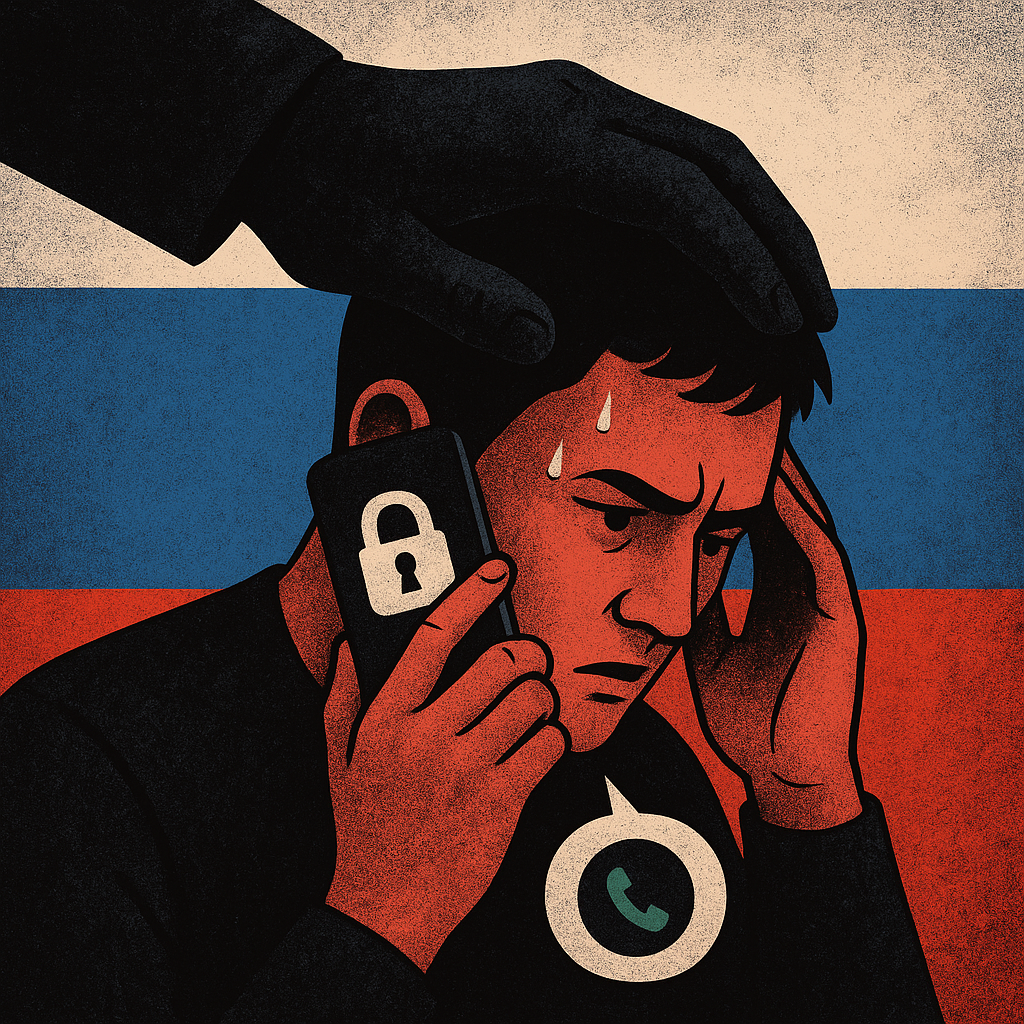
When court leaders describe constant and sophisticated threats, they are not being dramatic. Criminal groups and state aligned actors target high value data wherever it sits. A single credential left unprotected or a legacy interface sitting behind a forgotten firewall rule can be enough to gain a foothold. From there the attacker pivots, learns the network’s shape, and waits for the right moment to move.
The cost of disruption in a court is not measured only in hours offline. Hearings get delayed. Deadlines become uncertain. Lawyers and clients spend money they did not plan to spend. In bad cases sealed material can be exposed. Even when data stays safe, trust can erode. Courts rely on public confidence to function. A perception that the machinery is unreliable harms more than technology reputations. It touches the legitimacy of the process itself.
What Meaningful Safeguards Look Like
Announcements about safeguards matter only if they translate into daily practices. In an environment like the judiciary, four themes make the most difference.
Identity must be modern. That means strong multifactor authentication that cannot be easily phished, hardware security keys for the people who hold elevated privileges, and time limited session tokens so stale passwords do not act as master keys. When identity is strong and scoped tightly to actual job duties, a stolen credential is less likely to become a skeleton key.
Networks must be segmented. Public facing interfaces that deliver search results and docket downloads should not live on the same flat plane as internal case systems. Sensitive data stores need tighter controls and fewer pathways, with traffic inspected and authenticated at each step. Good segmentation turns a breach from a building wide fire into a small compartment that can be contained.
Monitoring must be continuous and centralized. Fragmented logs are the enemy of fast response. Bringing events together in one place and watching for unusual behavior improves the odds of catching trouble early. Real time alerting that reaches human responders is as important as the analytics that generate the alerts in the first place. What matters is not only seeing a problem but acting before it spreads.
Offline filing procedures, immutable backups, and tested restoration steps let operations continue while technicians investigate. These routines should be rehearsed so they work under pressure. A quiet incident that is handled quickly and well is a sign of maturity, not a sign of failure.
People do not expect perfection. They do expect candor, especially from institutions that serve the public.
A Map in Your Pocket and What It Reveals
Now consider a very different development. A social platform rolls out a map that lets anyone explore photos and videos pinned to specific places. On paper this looks delightful. You tap your neighborhood and find a cafe, a park, or a street festival. You see what the area looks like before you go.
A gym you visit every morning, a school where a child is dropped off, a medical clinic you attend, or a shelter serving someone you care about: each of these places creates a pattern when posts are browsable by map instead of tucked away in a feed followed mostly by friends. The company can note that only public accounts appear and that users can turn off location tags. Both statements can be true without eliminating the risk.
Safety planning is not theoretical for many people. If you are managing a restraining order or leaving an abusive situation, real time, precise geotags are dangerous. Even for those without immediate safety concerns, the idea that a routine can be reconstructed by anyone with map access may feel like too much.
Sharing Place Without Oversharing Yourself
There is a balanced way to use location features. The first step is to slow down before posting. Ask whether you would share the exact place with a stranger today. If the answer is no, replace the venue name with a broader city level tag or skip location altogether. Delay posts that reveal where you are right now until after you have left. Most of what people want to share is about the experience itself rather than the moment’s coordinates.
Review old content with fresh eyes. Scan your own timeline and look for clusters that paint a pattern. A daily commute, a weekly class, a child’s schedule, or a recurring appointment can become obvious in hindsight. Editing or removing a few posts can reduce exposure without changing who you are online.
Tighten your controls. Most platforms let you limit who can tag you and require approvals before tags go live. These settings are worth using. Ask friends and family to skip precise locations when posting about your home, your children, or your routines. These conversations can feel awkward, yet they prevent larger problems later.
None of this requires technical expertise. It is simply a habit of treating place as sensitive by default and making exceptions deliberately.
What Institutions Can Learn From Consumer Privacy
The institution story and the consumer story reinforce each other. Courts need to inventory their systems so nothing important goes unmonitored. People need to inventory their digital habits so nothing important goes online by accident. Courts benefit from strong identity controls, and so do individuals who rely on hardware keys and better passwords. Courts practice segmentation to keep sensitive stores away from public interfaces, and individuals practice their own kind of segmentation by separating personal identities from daily routines in public profiles.
The principle is the same in both settings. Reduce your attack surface and you reduce your risk. Attack surface inside a network means the number of ways an adversary can interact with your systems. Attack surface in ordinary life means the number of ways a stranger can discover where you are, where you go, and how to reach you. Shrinking those numbers is a long term project, not a single switch. It looks like a dozen small choices made consistently.
Consent, Defaults, and Honest Explanations
Consent in the digital world only works when people understand what they are agreeing to, can change their minds easily, and see controls that match the way they live. A feature that reorganizes content around maps changes the context of previous posts. That is not an argument against innovation. It is a reminder that platforms should set conservative defaults, explain changes plainly, and make it simple to opt out or generalize location. Users should revisit old choices in light of new features. Privacy is not a one time decision made on the day you created an account. It is a set of routines that adapt as software changes.
Institutions should embrace the same spirit. When a court modernizes identity, segments networks, and tightens monitoring, it should also publish clear summaries of what changed and why. People are more forgiving when they can see the plan and the progress. Secrecy is sometimes necessary for tactics. It is almost never necessary for strategy.
Common Misconceptions That Slow Good Decisions
Two beliefs show up repeatedly in conversations about security and privacy, and both lead people in the wrong direction. The first says that nothing is safe, so efforts are pointless. The second says that only experts can manage the risks, so ordinary users are stuck. Reality is kinder than either claim. The most important gains come from a handful of habits. Stronger sign in practices, better separation between public and sensitive spaces, faster detection, smarter posting, and clearer communication produce large benefits. Perfection is not required. Consistency is.
A post can be public and still be sensitive. Context matters. A face in a crowd is one thing. A face at the same corner, at the same time, on the same days is something else. Recognizing that difference is part of being a good steward of your own information and a good neighbor online.
Conclusion
The judiciary’s push to harden critical systems and a social platform’s decision to spotlight posts on a map may seem like separate worlds. They are connected by the same reality. Exposure scales faster than most people expect, and control is the only antidote that lasts. Courts can pursue modern identity, sensible segmentation, real time monitoring, and resilient operations.
When institutions build with restraint and transparency, and when people share with context and care, trust becomes durable again. That is how we keep justice dependable, creativity vibrant, and public life open in a time when information moves quickly and adversaries move quietly.